Home / Shenzhen lighting market guide: what to see in ADC’s Phase III
Shenzhen lighting market guide: what to see in ADC’s Phase III
A buyer's guide to the Shenzhen lighting market: what's on Phase III floors 3–5 at ADC, what lighting brands offer, and what to check before you order.
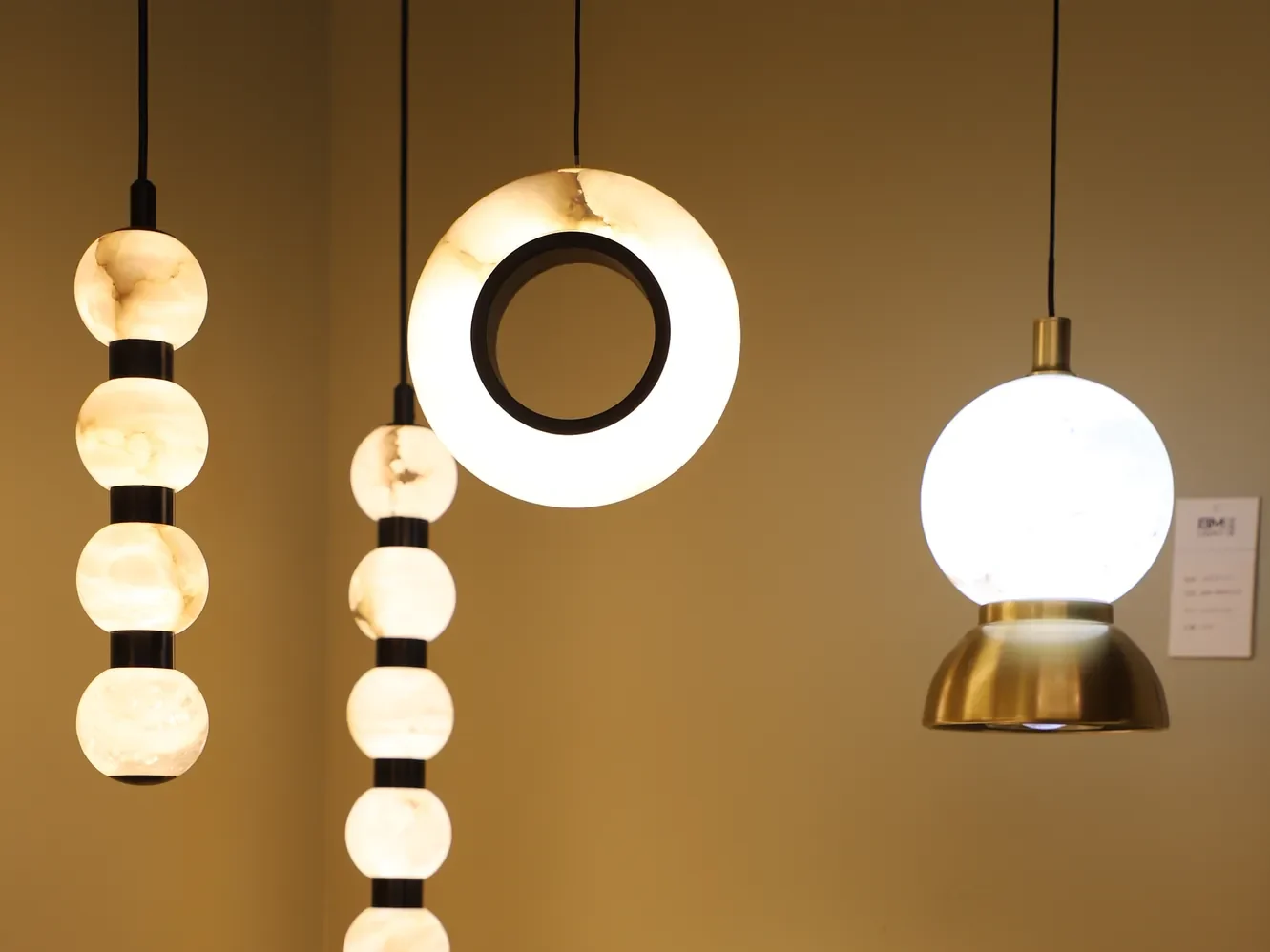
Lighting is one of the hardest categories to buy from a catalogue. A pendant that looks warm in a photo can feel harsh in a room, and the difference between a good fitting and an average one is often in the finish, the light quality and the details you only notice in person. If you are looking for a Shenzhen lighting market where you can see fittings switched on and talk to brands directly, this guide explains what to expect at ADC Art Design Center, where most lighting brands sit together in Phase III, the Home Living Hall.
Why source lighting in Shenzhen
South China is the centre of the world’s lighting supply chain. Guzhen in nearby Zhongshan is known as China’s lighting capital, and Shenzhen itself is a hub for LED, electronics and smart home technology. For overseas buyers, that means design, components and manufacturing are all within a few hours of each other.
What most buyers lack is time. Visiting lighting factories one by one can take a week, and factory showrooms often show products in rows rather than in rooms. A design-led destination lets you compare styles, finishes and light quality from many brands in one day, then follow up with the brands that fit your market.
Lighting at ADC: the short version
ADC opened in 2000 and brings more than 1,600 brands and factory-direct stores together in four halls covering 200,000 square metres. For lighting, the key facts are:
- Where: lighting brands are mainly on floors 3–5 of Phase III, the Home Living Hall.
- What: decorative and smart lighting, shown switched on in full showrooms, not just on display walls.
- Next door: home textiles and rugs share the same floors, and premium home collections are on floors 1–2.
- When: ADC is open every day, 9:30 AM – 7:00 PM, about 200 metres from Hongling North Station, Exit D.
What you will find in Phase III
Phase III is organised so you can plan a room from the ground up. Here is how the floors work for a lighting buyer:
Floors 1–2: Premium Home Collections
Premium home collections set the tone for the rest of the hall. Start here if you want to see how lighting works alongside furniture and finishes in complete room settings, and to get ideas for the style and scale of fittings your projects need.
Floors 3–5: Lighting and Textiles
This is the heart of the hall for lighting buyers. Brands show decorative pendants, chandeliers, wall lights, floor and table lamps, and smart lighting in working showrooms, so you can judge brightness, colour temperature and glare for yourself. Fabrics, curtains, carpets and rugs are on the same floors, which makes it easy to match light and texture in one visit.
Floor 6: Rooftop Food Street
Restaurants and cafés on the roof make Phase III a natural place to break for lunch before continuing your day.
Types of lighting to explore
Use the lighting collection to see brands and showroom locations before you travel. The main types buyers look for include:
- Decorative lighting: statement chandeliers, pendants and sculptural pieces for lobbies, restaurants, villas and retail spaces.
- Residential lighting: ceiling, wall, floor and table lamps for homes, show flats and serviced apartments.
- Smart lighting: dimmable and app- or system-controlled fittings, increasingly expected in new homes and hotels.
- Project and contract lighting: fittings specified in quantity for hotels, offices and commercial interiors, where consistency and durability matter.
A good brand to start with is MARSDEN, which supplies lighting for homes, hotels and commercial projects. Use the brand directory to filter by the lighting collection and Phase III to see the full list.
What lighting brands at ADC typically offer
Every brand sets its own terms, but these options are common among ADC’s lighting brands:
- OEM, so you can sell fittings under your own brand.
- Contract-grade fittings built for hotels, restaurants and commercial projects.
- Custom sizes, finishes and colours, so a fitting can be scaled to a lobby or adapted to your range.
- Low minimum orders, so you can test a range or order for a single project.
Prices, minimum orders, lead times and payment terms are confirmed directly by each brand, so ask based on your own quantities. For more on ordering small, see Buying small quantities in China: how low-MOQ sourcing works at ADC.
What to check in a lighting showroom
Seeing lighting switched on is the main reason to visit. Use the time to check what photos cannot show you:
- Light quality: colour temperature, brightness and how evenly the light falls. Ask to see the same fitting at different settings.
- Glare: look at fittings from where people will actually sit or stand, not only from below.
- Finish and materials: metal, glass, fabric and stone details, and how they look up close.
- Dimming and controls: whether fittings dim smoothly and which control systems they work with.
- Size in a room: decorative pieces often look smaller in a large showroom, so check dimensions against your space.
Questions to ask lighting suppliers
Ask each brand the same questions so you can compare answers fairly:
- Which markets do you already ship to, and which electrical standards and certifications can you meet for my country?
- What plug, voltage and bulb or LED options are available?
- Can this fitting be made in a different size, finish or colour, and does that change the minimum order?
- Is it in stock, made to order, or made in batches, and what is the lead time for my quantity?
- How is it packed for export, and can you deliver to my freight forwarder in Shenzhen?
Electrical standards matter more for lighting than for most categories. Make sure the brand understands your market’s requirements before you confirm an order.
Lighting for projects: hotels, villas and commercial spaces
Project buyers usually need more than a product list. Bring floor plans, ceiling heights and a rough fitting schedule, and brands can suggest options that work across the whole project. Look for brands that offer contract-grade fittings and custom sizes, and ask whether they can supply decorative and functional lighting together so the scheme stays consistent.
Because furniture, textiles and art are in the same campus, you can match lighting to the rest of the interior on the same day. Furniture is mainly in Phase II, and art and home accents are in Phase I. See Where to buy furniture in Shenzhen for a floor-by-floor guide.
A one-day plan for lighting buyers
- Before you go: list the fitting types, quantities and markets you need, and message us on WhatsApp with your arrival day so we can suggest which showrooms to see first.
- Morning: start in Phase III on floors 3–5, and shortlist brands by style and light quality.
- Lunch: the rooftop food street on the sixth floor of Phase III.
- Afternoon: see furniture in Phase II or art and accents in Phase I to complete your scheme.
- Late afternoon: return to your shortlisted lighting brands to discuss certifications, customisation and samples.
Our team can help with translation during your visit. The floor guide shows which hall holds each category.
Common mistakes to avoid
A few simple checks prevent the most common problems with imported lighting:
- Choosing from photos alone. Finishes, light colour and scale often look different in person, which is why seeing fittings switched on is worth the trip.
- Forgetting electrical standards. A fitting that suits one market may need different wiring, plugs or certification for yours. Raise this in the first conversation, not after the order.
- Mixing colour temperatures. Fittings from different brands can produce noticeably different whites. If you are combining brands in one room, compare them side by side.
- Ignoring replacement parts. Ask whether bulbs, drivers or glass parts can be reordered later, especially for project work.
Taking notes and photos of each fitting, with the brand name and showroom location, makes follow-up much easier once you are home.
Getting to ADC
ADC is at Zhanyi Road, Luohu District, Shenzhen. Take Metro Line 7 or 9 to Hongling North Station and use Exit D; the entrance is about 200 metres away. From Guangzhou, the high-speed train to Shenzhen North takes about an hour, so a trip combines easily with the Canton Fair. See From Canton Fair to ADC: a one-day Shenzhen sourcing route and our Plan your visit page for full routes.
Questions buyers often ask
Where are the lighting brands at ADC?
Mainly on floors 3–5 of Phase III, the Home Living Hall, alongside home textiles and rugs.
Can I see the lights switched on?
Yes. Brands show decorative and smart lighting working in full showrooms, so you can judge light quality before you order.
Can lighting brands make custom or OEM products?
Many lighting brands at ADC offer OEM, custom sizes and contract-grade fittings. Confirm options, minimums and lead times with each brand.
Do I need an appointment?
No. ADC is open every day, 9:30 AM – 7:00 PM. Messaging us before you arrive helps us suggest the right showrooms.
Plan your lighting sourcing trip
Browse the lighting collection, check the floor guide and plan your visit. With lighting, textiles and furniture under one roof, ADC makes the Shenzhen lighting market easy to cover in a single day.